AI estimate Updated Sep 7, 2026 About scores
Scores run from 0 to 10, where 10 is best for a remote worker and 5 is an average city.
Cost & Affordability
Boujdour is a remote coastal town with a low cost of living for local goods, though imported items may be pricier; overall cheaper than conflict-affected Rumbek.
Basic housing is very cheap, with simple apartments or guesthouses costing little; similar to Natitingou but slightly less extreme.
Local food like fish and produce is inexpensive, but variety is limited and imported goods are costlier; overall cheaper than Antananarivo.
Shared taxis and local buses are affordable, but long-distance travel to other cities is limited and relatively more expensive.
Entertainment options are scarce (beach, local cafes) but very cheap when available; no high-end venues drive costs up.
Gyms are rare in Boujdour; any existing small facilities charge low fees, comparable to Dickwella but with fewer options.
The Moroccan dirham is relatively stable due to its peg to a basket of currencies, but not as strong as the euro; better than Debrecen.
Digital Nomad Essentials
Mobile 4G is available but fixed broadband is limited and often slow, with frequent outages in this remote coastal town.
No dedicated coworking spaces exist in Boujdour; remote workers would rely entirely on hotel or home setups.
Very few cafes offer WiFi, and where available the connection is generally unreliable and weak.
Cafes are basic local spots with no digital-nomad amenities like power outlets or stable internet, and staff are not accustomed to long-stay laptop users.
Boujdour is virtually unknown among digital nomads due to its remoteness and lack of infrastructure or community.
Moroccan mobile SIMs from Maroc Telecom and Orange are available in small shops, but foreigner registration and top-up can be cumbersome.
Quality of Life
Boujdour is a remote desert town with limited amenities and few coworking spaces, making it challenging to maintain a structured work-life balance typical for digital nomads.
The natural environment is stark desert with frequent dust storms and minimal green spaces, but the coastal location offers some respite; overall quality is below average.
Public sanitation is poor, with litter and dust accumulation common; infrastructure for waste management is limited, leading to a less clean environment.
Arabic and Spanish are primary languages, but English is very rarely spoken; digital nomads without these languages will face significant communication challenges.
Air quality is often degraded by desert dust and occasional sandstorms, though coastal breezes provide some relief; not as poor as heavily polluted cities but still below average.
Boujdour lacks family-oriented facilities, schools, and recreational activities; the remote and harsh environment is not conducive to raising children.
Healthcare
Boujdour has only a basic health center with limited supplies and no specialists; serious issues require travel to Laayoune or farther, making quality very poor for digital nomads.
Local consultations and medications are very cheap, but any advanced care incurs travel costs; overall out-of-pocket expenses are low for basic needs.
Overall healthcare is severely constrained by quality and accessibility; while cheap, the lack of reliable facilities and emergency care makes it unsuitable for most nomads.
Climate & Environment
Extreme heat in September, often above 35°C, with low humidity. Coastal breeze provides slight relief but still uncomfortable for prolonged outdoor activity.
Low risk of earthquakes or floods; primary hazards are sandstorms and extreme heat, which are manageable but can disrupt outdoor plans.
Arid desert environment with virtually no parks or lush vegetation. Limited to sparse scrub and minimal shade.
Air conditioning is not widespread in this small town; many accommodations lack reliable AC, making work during peak heat challenging.
Minimal seasonal change; consistently hot year-round with slight cooling in winter. Lacks the diverse seasons preferred by many digital nomads.
Generally quiet town with low traffic and population density. Occasional wind noise, but overall conducive to focused work.
Culture & Entertainment
Very limited cultural scene due to remote desert location and small population; minimal museums, galleries, or cultural events.
Almost no nightlife; a few local cafes close early, no bars or clubs catering to digital nomads.
Stunning desert landscapes, Atlantic coast beaches, and rugged dunes offer unique outdoor experiences, but extreme heat limits daytime activities.
Hassaniya Arabic and Spanish are spoken, but few formal language schools or practice groups for foreigners.
Limited organized tours; independent exploration of desert and coast possible but requires self-planning and local transport.
Virtually no indoor entertainment options like cinemas, malls, or co-working social spaces; internet cafes are basic.
Food & Fitness
Boujdour has minimal dining options, mostly basic local eateries with limited variety; no cafes or international cuisine.
No known yoga studios in this remote town; the nearest facilities are in Laayoune, several hours away.
No dedicated gyms or fitness centers; only possibility is outdoor exercise on the beach, but no equipment.
Fresh produce is scarce and imported; diet relies on preserved goods and fish, with very few organic or health-conscious choices.
Work Environment
UTC+1 aligns well with European work hours, but the remote location reduces flexibility for other regions.
Boujdour is an isolated town with virtually no digital nomad community, expat presence, or networking events.
Local remote job market is negligible; no tech or startup scene exists in this sparsely populated area.
No freelance platforms, support groups, or infrastructure for independent workers; basic internet may be unreliable.
No dedicated coworking spaces; accommodations lack proper work amenities, and internet quality is poor.
Business & Economy
Almost nonexistent startup ecosystem; extremely limited economic diversification and infrastructure hinder any entrepreneurial activity.
Primarily cash-based economy; few modern payment options, no reliable digital or international payment services available.
Virtually no crypto adoption, no local exchanges or blockchain projects, and internet access is very limited.
Transportation
Small airport with very limited flights, mostly domestic; extremely poor international connectivity.
No formal public transit; only informal shared taxis or minibuses, unreliable and sparse.
Compact town center is walkable, but extreme heat and lack of services reduce practicality.
No ride-sharing apps operate; only local taxis available.
Flat terrain possible but no cycling infrastructure, extreme heat, and sandy roads hinder cycling.
Limited bus services to Laayoune and Dakhla; infrequent and long travel times.
No formal rental services; very limited informal options at best.
Connectivity
Limited coverage in this remote coastal town; expect 2G/3G from Moroccan operators, but speeds are slow and coverage is spotty outside the center.
Internet infrastructure is weak and likely subject to censorship; VPN connections are often slow or blocked, making reliable use difficult.
Grid is unstable with frequent outages, especially during sandstorms; backup generators are common but not always available.
Almost no public WiFi; only a few hotels and cafes offer slow, intermittent connections, and it's not a viable option for consistent work.
Legal & Administrative
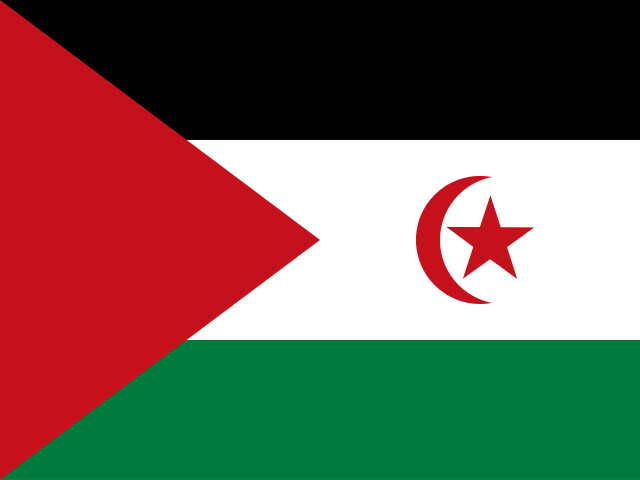
Western Sahara is a disputed territory with no independent visa system; access is limited and controlled by Morocco or the Sahrawi Arab Democratic Republic (SADR), making entry complicated and unpredictable for most travelers.
No clear tax regime for digital nomads; de facto Moroccan tax laws apply in Moroccan-controlled areas (including Boujdour), with moderate rates, but enforcement and exemptions are uncertain.
Freedom of speech is heavily restricted due to the sensitive political status; criticism of Moroccan sovereignty or advocacy for independence is suppressed, and media is under strict control.
The area is relatively calm under Moroccan administration but periodic protests and tensions over the disputed status persist, with occasional clashes and a heavy security presence.
Opening a bank account as a foreigner is very difficult; Moroccan banks in the region often require extensive residency documentation, and there are few international banking options.
Business registration is hindered by the unclear legal status; foreign entrepreneurs face bureaucratic hurdles, local legal ambiguities, and limited support infrastructure.
No digital nomad visa exists for Boujdour or Western Sahara; the only possible path is through a Moroccan visa, but that does not cover the territory explicitly.
Digital Nomad Community
Boujdour is a remote, conflict-prone area with minimal infrastructure for digital nomads, making it extremely unwelcoming for remote work or extended stays.
No known events, coworking spaces, or organized meetups for digital nomads; social isolation is virtually guaranteed.
Online forums and social media groups for digital nomads have zero relevant activity in Boujdour; essentially no digital footprint for the community.
Safety & Tolerance
Boujdour is in a disputed, conflict-prone region with limited infrastructure and potential for military activity; far below the safer reference cities.
Conservative cultural norms and safety concerns for women, with very few expat resources; significantly lower than even Gabu (4.8).
Local population is homogenous but political tensions may affect outsiders; tolerance is moderate but below average compared to references like Aburi (8.2).
About these scores
- Method
- AI estimate
- Last updated
- Sep 7, 2026
- Generated by
- deepseek-v4-flash · score run 124
- Last changed
- None yet
Generated by an AI model without cited sources and not yet checked by research. A research pass replaces these values with sourced ones, compared with similar cities.