AI estimate Updated Oct 5, 2026 About scores
Scores run from 0 to 10, where 10 is best for a remote worker and 5 is an average city.
Cost & Affordability
Sonsonate is cheaper than Puerto Ayora but not as cheap as Volgograd; overall living costs are low for digital nomads.
Rent and short-term stays are affordable, comparable to León, though options may be limited.
Local markets and street food are very inexpensive, cheaper than New Amsterdam and only slightly above Hpa-An.
Buses and taxis are cheap, similar to Ruse; fuel costs are moderate but overall low.
Dining out, local events, and leisure activities are budget-friendly, a bit cheaper than Tetovo.
Basic gym memberships cost around $20–30/month, slightly lower than Setif.
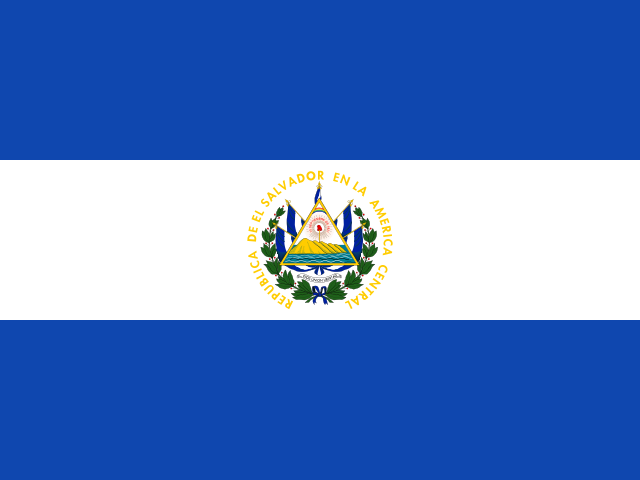
El Salvador uses the US dollar, providing excellent stability for digital nomads, on par with Frederiksted.
Digital Nomad Essentials
Sonsonate has moderate internet, typically 10-20 Mbps, lagging behind larger cities like Sibiu but better than Bulawayo.
Very few coworking spaces; options are extremely limited, similar to small towns with minimal infrastructure.
Some local cafes offer WiFi, but the number is low and quality inconsistent, comparable to Puerto La Cruz.
Cafes that welcome remote workers are scarce; most lack reliable power or seating, below even Santa Ana.
Sonsonate is virtually unknown among digital nomads, with almost no community or dedicated services.
SIM cards from Tigo and Claro are widely available at reasonable prices, with good 4G coverage.
Quality of Life
Laid-back tropical pace and easy access to beaches/outdoor life, but lingering safety concerns and infrastructure issues can add stress to daily routines.
Green surroundings with coffee plantations and nearby Pacific coast, though urban areas face modest pollution and inconsistent waste management.
Streets are generally tolerable but not consistently tidy, with scattered litter and limited public maintenance outside central zones.
Spanish is the primary language and English proficiency is low, so nomads without Spanish will find daily interactions challenging.
Relatively clean air compared to industrial cities, though vehicle emissions and dust can be noticeable on busy roads.
Frequent safety advisories and limited child-oriented infrastructure make it a less suitable base for families, despite some local parks and activities.
Healthcare
Limited hospital infrastructure and specialist availability; quality is below average for a regional capital.
Out-of-pocket costs are low compared to North America, and basic consultations are very affordable.
While affordable, the overall healthcare system suffers from limited access to advanced care and inconsistent service quality.
Climate & Environment
October falls in the rainy season, with hot and humid conditions and frequent afternoon showers, making it less ideal for outdoor work.
Sonsonate is in a high-risk zone for earthquakes and tropical storms, with potential flooding and landslides during the rainy season.
The city has a few parks and green areas, but they are not extensive; nearby natural attractions like the coast offer alternatives.
Air conditioning is available in many modern establishments, but older buildings and budget accommodations may lack reliable cooling.
Little seasonal variation; temperatures remain warm year-round with a pronounced wet and dry season, offering limited change.
Noise levels are moderate to high, especially in central areas due to traffic and market activity, but quieter residential areas exist.
Culture & Entertainment
Rich Pipil cultural heritage, colonial churches, and lively local festivals offer an authentic Salvadoran experience, though far less cosmopolitan than major cultural hubs.
Nightlife is mostly local cantinas and weekend gatherings; serious bars and clubs are found in nearby coastal towns like El Tunco.
Gateway to Pacific beaches, Izalco Volcano, and Cerro Verde National Park, with excellent surfing, hiking, and coffee landscapes nearby.
Full Spanish immersion with a clear Central American accent; locals are eager to interact, though formal language schools are more available in larger cities.
Indigenous artisan villages, coffee farm tours, bustling markets, and volcano hikes provide authentic off-the-beaten-path experiences.
Limited indoor entertainment: small museums, a cinema, and cafés exist, but there are few major cultural or recreational venues.
Food & Fitness
Local Salvadoran staples like pupusas and fresh seafood are easy to find, but international dining is limited. The nearby beach towns add some variety for a small city.
Very few dedicated yoga studios; classes are mostly in gyms or at nearby surf hostels. Serious yogis would need to travel to El Tunco or San Salvador.
Basic local gyms are available, but options are limited and geared toward weightlifting. CrossFit-style or specialized fitness studios are scarce.
Fresh fruit and vegetables are cheap and available at markets, but dedicated health-food stores and vegan/gluten-free options are rare.
Work Environment
UTC-6 is highly favorable for US East Coast remote workers (2-3 hours behind) and decent for Europe. Aligns with Ciudad Colón's score due to identical time zone.
Sonsonate is a small commercial city with very few digital nomads or expat meetups. Networking is significantly limited compared to hubs like Pai.
Local remote job infrastructure is minimal; most nomads rely on pre-existing employment. Scale similar to remote island destinations, well below San Miguel.
Almost no dedicated freelance platforms, co-working spaces, or local support networks. Slightly above conflict-zone cities but comparable to rural Caribbean islands.
Coworking spaces are virtually nonexistent in Sonsonate; only basic cafe seating with unreliable internet. Far below regional standards like Cholpon-Ata.
Business & Economy
Sonsonate has minimal startup infrastructure, with very few co-working spaces or tech hubs, and the entrepreneurial ecosystem is far less developed than even mid-tier cities like Mainz.
Basic banking and mobile money services exist, but international payment options are limited compared to regional hubs, and digital nomads may encounter difficulties with card acceptance and online transfers.
While El Salvador has legalized Bitcoin, adoption in Sonsonate is still low outside of major tourist or expat areas, with few merchants accepting crypto and limited blockchain infrastructure.
Transportation
No local airport; nearest major hub is San Salvador (about 1.5-2 hours by road), limiting direct international access.
Basic bus network within city and to nearby towns, but frequency and coverage are limited, with no metro or modern system.
Central area is somewhat walkable with shops and services nearby, but sprawl and lack of pedestrian infrastructure reduce overall convenience.
Uber and local ride-sharing are present but unreliable and limited in coverage; most rely on taxis or personal vehicles.
Very few dedicated bike lanes and heavy traffic make cycling unsafe and impractical for most commutes.
Regular buses to San Salvador and other cities, but schedules can be erratic and comfort moderate; no rail options.
Rental shops are scarce and primarily serve tourists; availability and maintenance are inconsistent.
Connectivity
Decent 4G coverage in urban areas, but rural outskirts and some dead zones; not as robust as major tourist hubs.
Most VPNs work consistently with moderate speeds; occasional government-imposed blocks are rare but possible.
Frequent short outages and voltage fluctuations are common, especially during rainy season; backup power recommended.
Limited to few cafes, hotels, and municipal hotspots; coverage is sparse and often slow or unreliable.
Legal & Administrative
El Salvador offers a digital nomad visa with a straightforward online application, though some documentation is required; slightly less streamlined than top-tier cities like Vilnius.
No income tax on foreign-sourced earnings for digital nomads under the visa, making it highly attractive compared to most destinations.
Press freedom is constrained under the current government, and self-censorship is common; critical expression carries risks.
Gang violence has dropped significantly, but the state of emergency and authoritarian tendencies create underlying uncertainty.
Possible with a local address and multiple documents, but the process is more bureaucratic than in digital nomad hubs like Kutaisi.
Registration is feasible but involves moderate paperwork and delays; not as efficient as in cities like Leeds.
The visa is actively promoted and relatively easy to obtain, though not as seamless as in Limassol; available nationwide.
Digital Nomad Community
Sonsonate is a secondary city in El Salvador with limited nomad infrastructure and safety concerns, though not as challenging as smaller towns.
Organized meetups are rare; any gatherings tend to be informal and sporadic, far below the level seen in larger hubs like San Salvador.
Digital nomad groups and online resources for Sonsonate are minimal; most regional activity is centered on the capital.
Safety & Tolerance
Sonsonate has seen reduced gang violence under recent security policies, but petty crime and occasional targeted incidents remain a concern for digital nomads, especially after dark.
Machismo culture persists, though women can move freely in daytime in central areas; catcalling and occasional harassment occur, but not extreme compared to other Central American cities.
Predominantly mestizo population; foreign visitors of different races are generally accepted without overt hostility, though subtle biases exist in less diverse areas.
About these scores
- Method
- AI estimate
- Last updated
- Oct 5, 2026
- Generated by
- deepseek-v4-flash · score run 125
- Last changed
- None yet
Generated by an AI model without cited sources and not yet checked by research. A research pass replaces these values with sourced ones, compared with similar cities.